
How Is Traditional Qvevri Wine Maintained for Longevity and Purity?
By iciartravel.com · · 3 min read
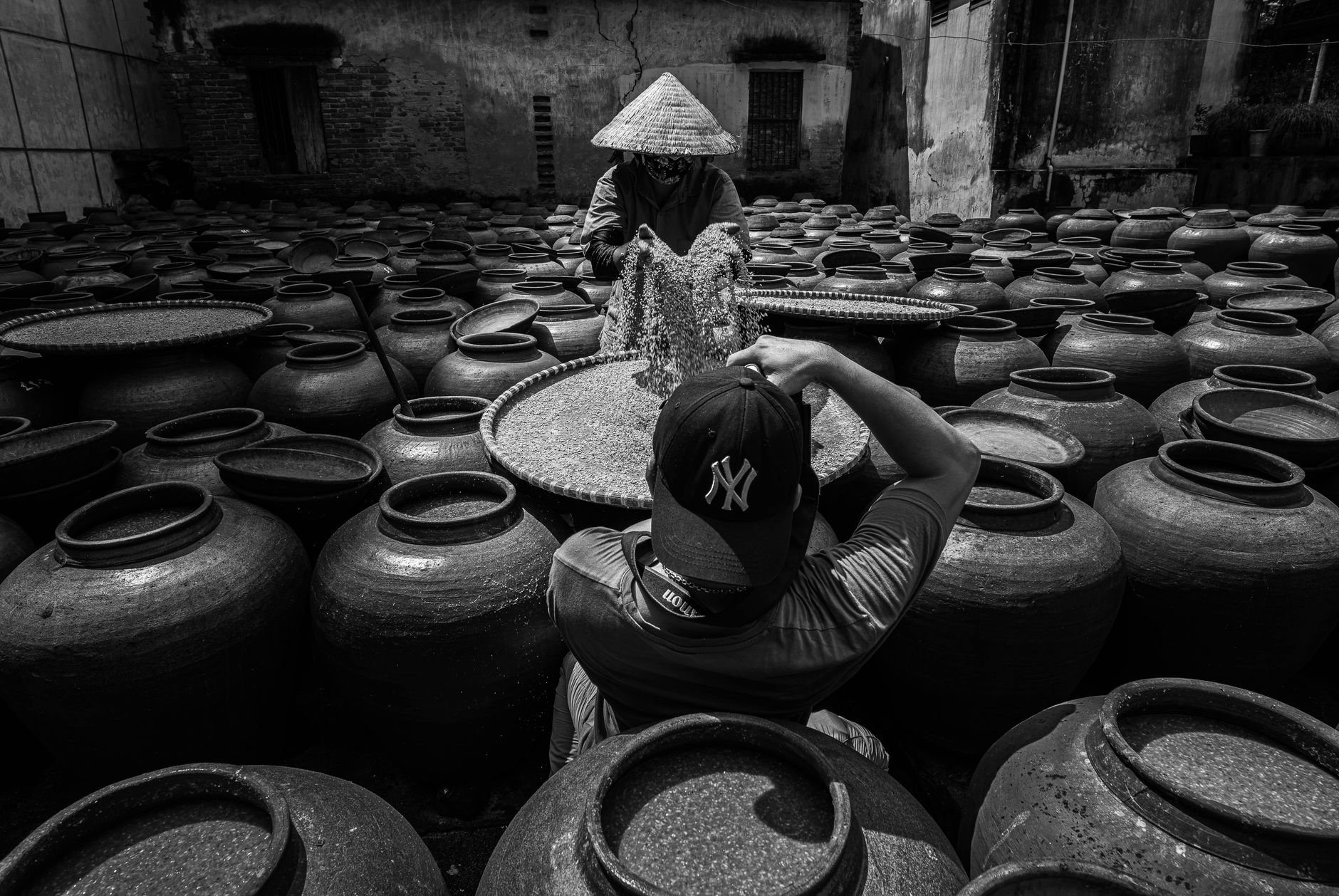
Discover the meticulous artisan rituals required to preserve qvevri vessels. Learn how master winemakers ensure the purity of Georgia's ancient amber liquid.
The Living Vessel: Understanding the Maintenance of Qvevri
For the discerning traveler exploring Georgia’s historic vineyards, the qvevri—a large, egg-shaped clay vessel buried deep within the earth—is more than a tool; it is the heartbeat of 8,000 years of viticulture. As a guest of Iciar Travel, you likely know that the unique taste of Georgian amber wine is derived from the interaction between the wine and the qvevri’s interior. However, maintaining these vessels is an arduous task that determines the shelf life and quality of the vintage.
The Anatomy of Qvevri Care
Unlike modern stainless steel tanks, a qvevri is porous and sensitive to its environment. Because it is buried underground, the temperature remains naturally stable (usually between 13°C and 15°C), but this lack of accessibility makes maintenance a specialized craft.
1. The Ritual of Cleaning Every year, after the wine is racked and bottled, the qvevri must be painstakingly cleaned. Traditional methods involve using brushes made from wild cherry bark or dried corn husks. These organic materials are essential because they do not scratch the beeswax lining of the vessel. The cost for a professional cleaning session, which requires a specialized cellar master, typically ranges from 150 ₾ to 300 ₾ per vessel, depending on its size and volume.
2. Renewing the Beeswax Lining Perhaps the most crucial step in longevity is the re-application of beeswax. Over time, the porous clay can absorb impurities or unwanted bacteria. By heating the interior of the vessel and coating it with pure, locally sourced organic beeswax, the artisan creates a natural seal. This layer prevents oxidation and ensures the wine maintains its distinct mineral character. If a vessel is neglected, the clay can become tainted, effectively ruining future vintages.
Why Climate and Materials Matter
In the diverse climates of the Kakheti region, a qvevri must be "breathed" properly. If the soil surrounding the vessel becomes waterlogged or unstable due to seismic activity or poor drainage, it can crack the clay. At Iciar Travel, we take our clients to heritage sites where the soil moisture is monitored seasonally. This is why private cultural site access is so vital; you are seeing the result of constant, generational attention to these subsurface conditions.
The Cost of Excellence
Quality winemaking in Georgia is not merely about fermentation; it is about the long-term investment in the vessels themselves. When you participate in a private wine tasting with one of our curated producers, you are tasting wine that has been stored in a vessel that has seen meticulous care.
- Annual Maintenance: 150 ₾ – 300 ₾ per qvevri.
- Professional Restoration: For damaged vessels, specialized clay artisans charge upwards of 1,000 ₾ to repair cracks using traditional lime-based mortars.
Experience the Craft Behind the Bottle
Understanding the mechanics of qvevri maintenance transforms how you appreciate a glass of Rkatsiteli or Saperavi. It is no longer just a beverage; it is a testament to the artisan's dedication.
If you are interested in witnessing this ancient practice, Iciar Travel offers bespoke journeys that include private visits to family-run marani (wine cellars). We grant you access to the hidden world of traditional winemaking, connecting you with local artisans who treat every qvevri as a living heir to Georgian culture. Let us design your next exclusive itinerary to the heart of the Caucasus, where history is not just read—it is savored.
- georgian wine
- qvevri
- luxury travel
- cultural heritage
- bespoke tours