
How Do You Spot Authentic Georgian Culinary Traditions?
By iciartravel.com · · 5 min read
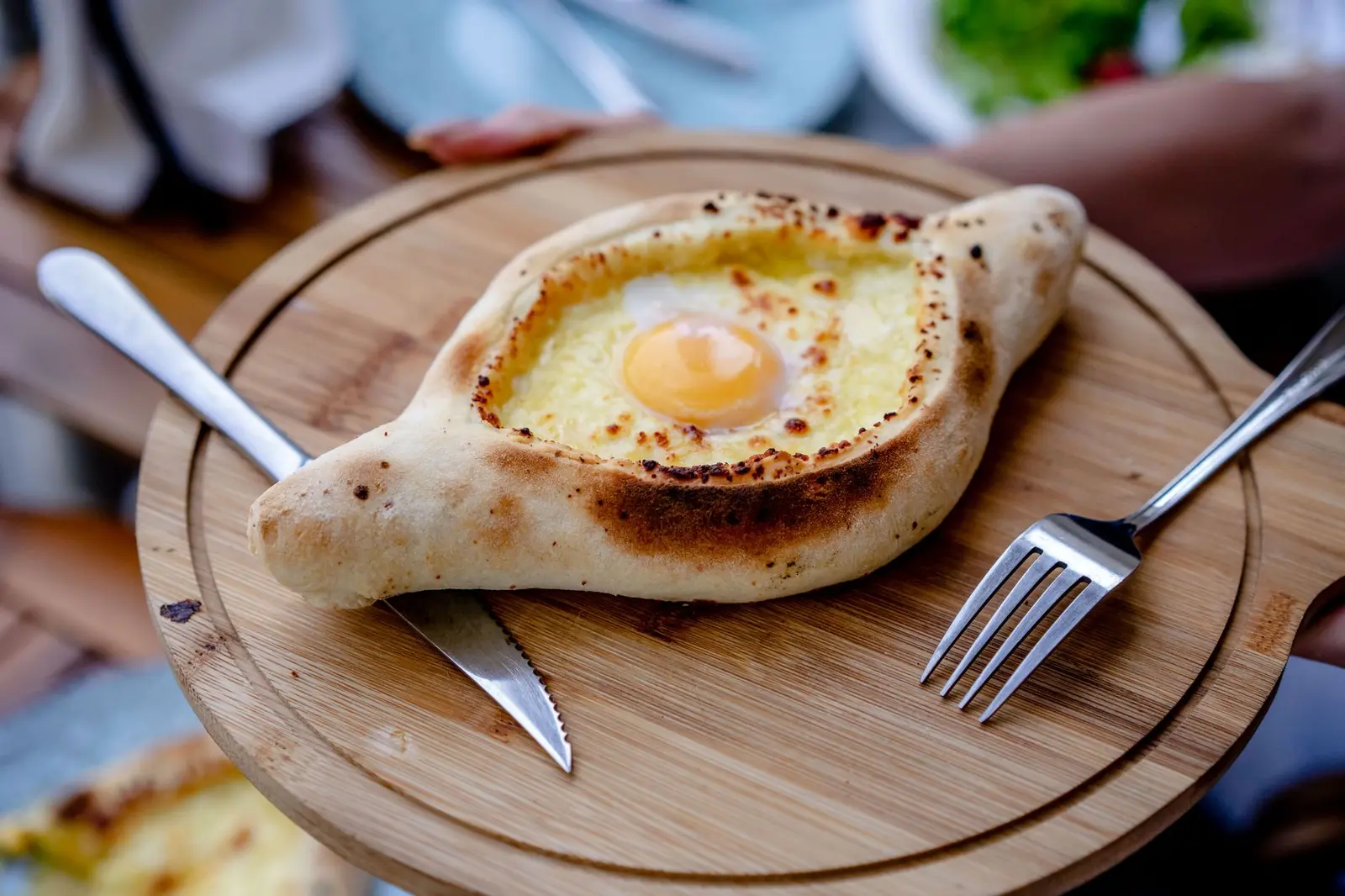
Learn how to tell authentic Georgian culinary traditions apart from tourist traps, from genuine regional supras and artisan cheeses to qvevri wine pairings.
Georgia’s culinary heritage is celebrated worldwide for its communal warmth, vivid flavors, and ancient roots. Yet as international interest in Georgia tourism accelerates, many visitors encounter a standardized, mass-produced version of this ancient culture. In bustling central districts of Tbilisi or popular stopovers in Kakheti, neon-lit taverns often replace hours-long communal rituals with rushed tourist menus, factory-made sauces, and reheated pastries.
For the discerning traveler seeking genuine cultural immersion, experiencing true Georgian gastronomy requires knowing what distinguishes artisanal tradition from commercial theatre. Below is a guide to spotting common culinary pitfalls, understanding regional nuances, and ensuring your encounters with Georgian food reflect centuries of authentic practice.
Mistake 1: Accepting Monolithic Menus Over Regional Terroirs
One of the most frequent oversights is treating Georgian food as a single, uniform cuisine. In mass-market venues, menus read identically from Batumi to Sighnaghi: standard pork skewers, generic Imeretian cheese pies, and indistinguishable beef-and-pork soup dumplings.
In truth, Georgia’s dramatic topography creates distinct microclimates and entirely separate culinary identities:
- Western Georgia (Samegrelo, Imereti, Guria): Defined by subtropical humidity, poultry dishes, walnut pastes, cornmeal staples like ghomi and elarji, fiery red and green adjika, and lighter, high-acid clay-pot cooking.
- Eastern Georgia (Kakheti, Kartli): Characterized by dry continental plains, hearty bread baked against the clay walls of a cylindrical tone, grilled meats (mtsvadi) skewered on dried grapevine cuttings (rka), and rich sheep’s milk cheeses.
- The High Caucasus (Svaneti, Tusheti, Kazbegi): Shaped by harsh alpine winters, relying on preserved beef, mountain salt blended with wild caraway, melted cheese pies (habizgina), and hand-chopped mountain meat khinkali laced with mountain herbs rather than cultivated cilantro.
How to spot the difference: Look closely at the sourcing. An authentic dining host or curated estate can name the provenance of their ingredients—explaining whether their Sulguni cheese comes from a small dairy cooperative in Samegrelo or their potatoes were harvested in the volcanic soils of Akhalkalaki. Generic tourist dining typically charges 40₾ to 65₾ for a standard platter of factory ingredients, whereas an authentically sourced multi-course regional tasting menu paired with natural wines generally commands between 160₾ and 320₾ per guest.
Mistake 2: The Staged "Tourist Supra" vs. The Living Ritual
The Georgian supra (feast) is a complex social ceremony inscribed on UNESCO's Intangible Cultural Heritage list. In tourist hotspots, this sacred feast is often reduced to a staged spectacle: loud recorded music, scripted folklore dancing, and a server in costume delivering rapid-fire toasts while dishes arrive all at once.
In an authentic supra, the table develops through deliberate rhythm:
- The Foundation: Cold starters—vibrant pkhali (vegetable and walnut pastes), pickled jonjoli flowers, and wild seasonal greens like purslane (danduri)—are set first, accompanied by fresh warm breads.
- The Progression: Hot clay-dish specialties (ketsi) arrive next, such as shkmeruli (roast chicken in crushed garlic sauce) or bubbling mushrooms, followed later by grilled cuts.
- The Tamada's Cadence: The toastmaster (tamada) does not perform for an audience; they weave philosophy, local memory, ancestor reverence, and humor into toasts tailored specifically to the individuals gathered at the table.
If a venue guarantees a "45-minute traditional supra demonstration with horn drinking," it is a commercial staging. Genuine supras unfold organically over three to five hours in private cellars (marani) or family homes.
Mistake 3: Overlooking Rare Artisanal Ingredients
Commercial kitchens frequently cut costs by replacing time-intensive heritage ingredients with industrial substitutes. To evaluate the authenticity of what you are served, look for these traditional hallmarks:
- Spices: True Georgian cooking depends on single-origin wild mountain caraway (kandari), blue fenugreek (utskho suneli), and dried ground marigold petals (Imeretian saffron). Industrial substitutes taste flat, overly salty, or dominated by cheap powdered bouillon.
- Artisan Cheeses: Beyond fresh Sulguni, Georgia produces extraordinary heritage cheeses. Look for Tushuri Guda, aged inside a salted sheepskin sack high in the Tusheti mountains, or Tenili, an endangered Meskhetian pulled-string cheese preserved in cream inside clay jars. These rare cheeses are pungent, earthy, and labor-intensive.
- Natural Condiments: Authentic sour plum sauce (tkemali) changes color with the season—from tart, pale spring green to deep late-summer purple—and contains wild river mint (ombalo). If a restaurant serves a uniform, fluorescent-red commercial sauce year-round, it is industrial bottle stock.
Mistake 4: High-Volume Cooking Masterclasses
Many visitors sign up for public culinary masterclasses in hotel conference rooms or restaurant basements. These sessions often involve pre-rolled commercial dough, pre-ground meat mixtures, and deep fryers that compromise traditional cooking methods.
A genuine masterclass focuses on handcraft:
- Rolling and pleating mountain khinkali with at least 19 distinct folds using hand-minced meat seasoned with crushed coriander seed and mountain water.
- Kneading and stretching yeasted dough before slapping it directly against the scorching clay interior of a wood-fired tone.
- Learning to churn elarji with a wooden paddle (chogani) until the cornmeal and fresh cheese stretch into unbroken silk ribbon.
Private culinary masterclasses conducted alongside local culinary artisans typically range from 180₾ to 450₾ per person, including curated wine pairings and rare local ingredients.
A Discerning Traveler’s Checklist: What to Ask
When evaluating a culinary tour or dining reservation in Georgia, ask the organizer or host these practical questions:
- "Are the wines served made by independent family maranis using qvevri, or are they commercial factory labels?"
- "Which micro-region does this menu represent, and can you share where the artisan cheeses and stone-ground flours were sourced?"
- "Is the masterclass conducted one-on-one in a working traditional kitchen or outdoor tone oven, or in a shared venue?"
True Georgian gastronomy is an intimate, terroir-driven art form. By seeking out small-batch producers, regional specialties, and patient, unhurried hosts, you will discover the extraordinary depth that has kept Caucasus culinary traditions alive for millennia.
- georgian cuisine
- supra traditions
- culinary travel
- qvevri wine
- tbilisi dining