
How to Experience an Authentic Georgian Supra: Step-by-Step Guide
By iciartravel.com · · 5 min read
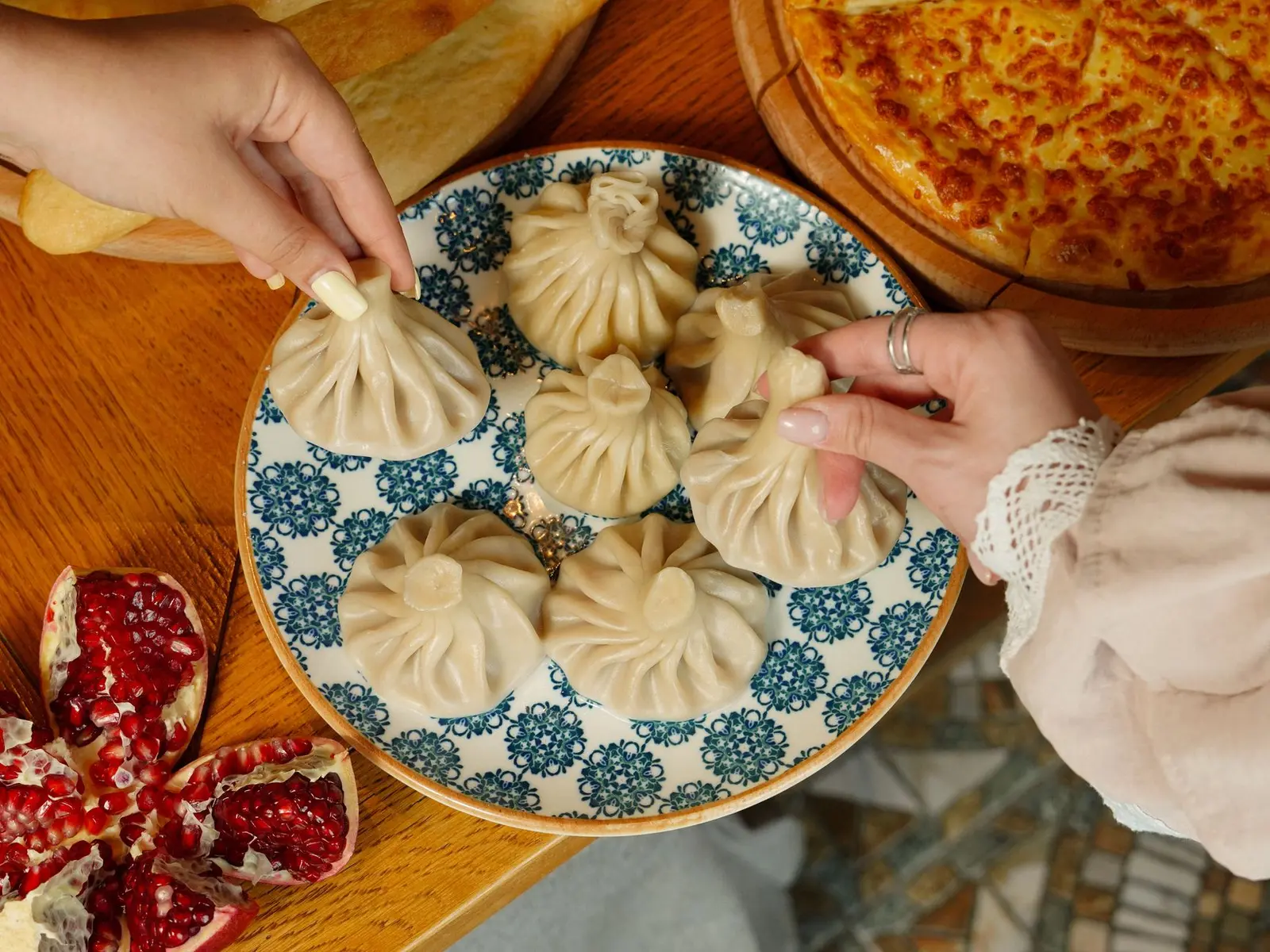
Discover how to arrange an authentic Georgian supra feast, master table etiquette, select regional cuisines, and avoid commercial tourist traps across Georgia.
A true Georgian supra (feast) is far more than an evening meal; it is a profound cultural institution recognized by UNESCO, weaving ritualized philosophy, polyphonic melody, and centuries-old culinary heritage into a single gathering. Yet for discerning travelers arriving in Tbilisi or venturing into wine country, finding a genuine supra rather than a staged restaurant banquet requires careful planning.
Whether you are organizing a private celebration, curating a gathering for corporate guests, or seeking deep cultural immersion, here is a practical, step-by-step guide to experiencing the authentic culinary rituals of Georgia.
Step 1: Understand the Core Traditions and Table Rituals
Before booking an experience, understand what separates a genuine supra from ordinary restaurant dining:
- The Tamada (Toastmaster): The anchor of every supra. A respected orator chosen to lead the table through thematic toasts (sadgegrdzelo). These toasts follow an ancient progression: honoring the creator or peace, family, ancestors, guests, and the homeland. You do not sip wine casually during a supra; you listen to the Tamada, allow others to build upon the sentiment (alakhebi), and drink only after the toast concludes.
- The Table Structure: Dishes are served continuously rather than in sequential courses. Plates are layered atop one another (khevispiri), symbolizing boundless abundance. Leaving empty spaces on a supra table is traditionally considered inhospitable.
- Polyphony and Verse: In eastern and western valleys alike, meaningful toasts are punctuated by spontaneous three-part polyphonic singing or classical poetry.
Step 2: Choose Your Regional Flavor Profile
Georgia’s topography creates distinct regional gastronomic microclimates. Avoid the temptation to treat Georgian food as a monolith. Tailor your private gathering around specific terroirs:
Kakheti (Eastern Georgia)
- Signature Specialties: Mtsvadi grilled over dried grapevine embers (vazi), freshly baked shoti bread from deep clay tone ovens, and pungent sheep’s milk cheeses like Tushetian Guda.
- Wine Pairing: Tannic, amber amber wines crafted in subterranean clay vessels (qvevri) using skin contact for up to six months (Rkatsiteli, Kisi, Saperavi).
Imereti & Samegrelo (Western Georgia)
- Signature Specialties: Walnut-rich pastes (pkhali), slow-cooked spiced poultry (satsivi), melted sulguni cheese pulled into bubbling stone bowls of elardji (coarse cornmeal mash), and spicy adjika sauces laced with dried marigold and blue fenugreek.
- Wine Pairing: Lighter, high-acidity, aromatic whites fermented with minimal skin contact (Tsolikouri, Krakhuna, Tsitska).
Svaneti & The High Caucasus
- Signature Specialties: Meat pies spiced with mountain salt (kubdari), millet-laced cheeses (chvishtari), and rich potato-cheese purées (tashmijabi).
Step 3: Select the Setting — Family Marani vs. Private Estate
Commercial banquet halls along tourist strips often rush toasts, rely on commercial bottled lagers, and serve reheated appetizers. To ensure authenticity, select private settings designed for intimacy:
- A Historic Family Marani (Wine Cellar): The most genuine venue is an artisanal Kakhetian or Imeretian cellar where the host unseals a dedicated qvevri right before the feast.
- Private Mountain Homesteads: In regions like Kazbegi or Racha, private family tables feature open-hearth cooking over mountain hardwoods, paired with local folk musicians.
- Restored Urban Salons in Tbilisi: Private historical courtyards in Sololaki or Vera offer heritage architectural backdrops paired with private chefs recreating 19th-century aristocratic recipes.
Step 4: Budget Accurately for an Authentic Feast
Authentic supras require fresh, farm-sourced produce, artisanal qvevri wines, and dedicated hosts. Typical cost expectations in Georgia for 2026 include:
- Rustic Village Supra (Per Person): ₾120 – ₾220 GEL ($45 – $80 USD). Includes home-cooked seasonal spreads, unlimited artisanal house wine, and a local family Tamada.
- Curated Boutique Wine Estate Supra (Per Person): ₾280 – ₾550 GEL ($100 – $200 USD). Includes rare single-vineyard natural qvevri reserves, dedicated sommeliers, heritage multi-course menus prepared by master cooks, and private access to private cellars.
- Exclusive VIP Supra with Master Tamada and Polyphonic Ensemble: ₾1,500 – ₾4,500 GEL ($550 – $1,650 USD) total event production fee plus per-person dining costs, featuring world-class folk singers and tailored bilingual toastmasters.
Step 5: What to Ask When Planning or Commissioning a Supra
When hiring an event specialist, concierge, or tour planner to arrange your gathering, ask these practical questions:
- "Who will act as the Tamada?" Ensure the toastmaster is a natural orator and fluent in your language or assisted by an unobtrusive cultural interpreter, not simply a waiter bringing food.
- "Is the wine drawn directly from qvevri?" Authentic supras are anchored by natural, unpasteurized natural wines produced on-site, not mass-market industrial labels.
- "Can we participate in preparation?" The finest culinary memories involve rolling khinkali, turning skewers of mtsvadi, or baking bread in clay tone ovens prior to taking your seats.
- "Are seasonal ingredients strictly respected?" In spring, demand chakapuli braised with fresh tarragon and sour green tkemali plums; in autumn, prioritize fresh walnut harvests and grape harvest delicacies (tatara and churchkhela).
Essential Table Etiquette for Guests
- Never interrupt a toast: Treat the Tamada’s speech with the attention given to a performance. Side chatter is considered bad form.
- Beer is never for toasts: In Georgian tradition, toasting with beer is reserved jokingly or aggressively for enemies. Toast exclusively with wine or mineral water.
- Pacing is vital: Supras frequently last four to six hours. Sip moderately, pace your carbohydrate intake, and rely on the ever-present Borjomi mineral water to sustain your stamina.
By prioritizing family cellars, regional specialty preparations, and traditional ceremonial hosts, you unlock the soul of the Caucasus — one shared glass, toast, and melody at a time.
- georgian supra
- culinary traditions
- tamada ritual
- tbilisi dining
- qvevri feast