
Do Private Guided Tours Grant Better Access to Historic Sites in Georgia?
By iciartravel.com · · 5 min read
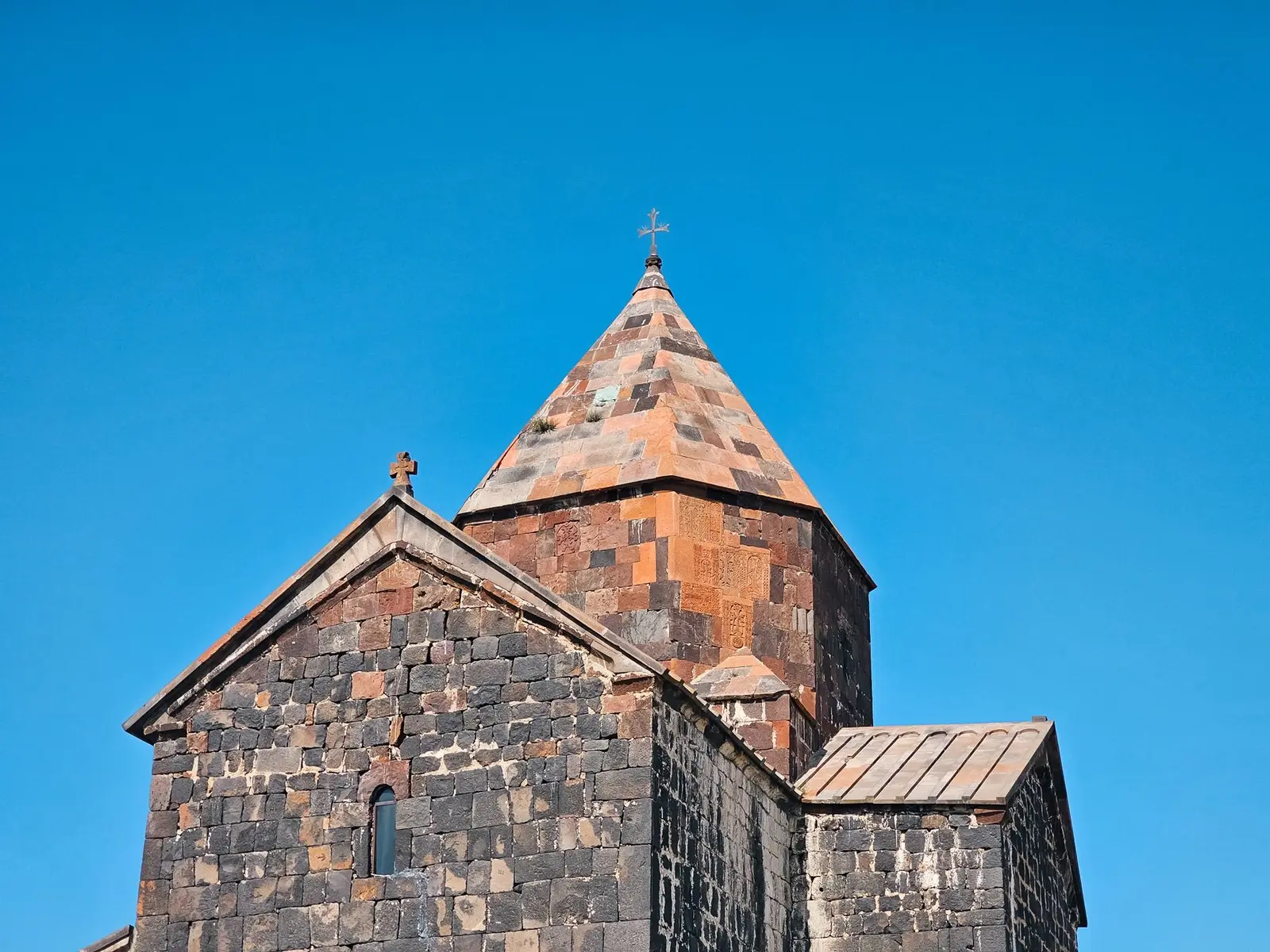
Compare group excursions and private guided tours across Georgia's historic sites to see how bespoke access, expert curators, and permits elevate your journey.
When planning a journey through the ancient valleys and dramatic peaks of Georgia, discerning travelers often face a pivotal decision: should you book standard group excursions or invest in a bespoke private guided tour? While mainstream group tours touch the surface of famous monuments, navigating Georgia's complex heritage—from subterranean cave monasteries to highland defense towers—demands far more than an earpiece and a crowded itinerary.
Here is an honest breakdown of how private guided access compares against standard tour options across Georgia's historical landmarks, factoring in logistical realities, local permissions, timing, and real costs in Georgian Lari (₾).
The Fundamental Contrast: Standard Group vs. Private Guided Access
To understand why access differs dramatically, one must examine how historical heritage is managed in the Caucasus. Many of Georgia's UNESCO World Heritage sites and medieval monasteries are active liturgical spaces or fragile archeological monuments managed jointly by the National Agency for Cultural Heritage Preservation of Georgia and the Georgian Orthodox Church.
| Access Factor | Standard Large Group Tour | Bespoke Private Guided Tour | | :--- | :--- | :--- | | Site Arrival Timing | Midday rush hours (11:00 AM – 3:00 PM) | Custom early-morning or golden-hour entry | | Physical Access | Restricted to public viewing barriers | Behind-the-rope vaults, bell towers, and crypts | | Guide Expertise | Scripted commentary for general crowds | Academic historians, specialized art curators | | Pacing & Flexibility | Strict 45–60 minute deadlines | Unrushed exploration guided by your interests | | Logistics & Comfort | Large 30–50 passenger motorcoaches | Executive 4x4 vehicles accessing remote tracks | | Cost per Day (2026) | 120 ₾ – 280 ₾ per person | 750 ₾ – 1,800 ₾+ per private group |
1. Bypassing Crowds at High-Demand Sites
Flagship monuments like Uplistsikhe Cave Town, the Svetitskhoveli Cathedral in Mtskheta, and the cliff-carved Vardzia complex receive heavy seasonal foot traffic. Between May and October, large tour buses arrive simultaneously, clogging stone staircases and echoing through vaulted naves.
On a private, tailor-made itinerary, your departure is synchronized around the tourist influx. A private specialist ensures you enter Vardzia at 09:00 AM—before the heat and tourist coaches crest the mountain pass—or during the soft dusk light when day-trippers have returned to Akhaltsikhe. In locations where active restoration or restricted monastic life is underway, a well-connected private guide can liaise locally with site wardens or resident clergy to view areas closed off to standard bus groups.
2. Unlocking Secret Frescoes and Restricted Monastic Chambers
One of the most profound benefits of private guiding is "insider access" to delicate, off-limits artifacts. Consider the David Gareja desert monastery complex along the Azerbaijani border, or the remote churches of Svaneti (such as Lamaria in Ushguli or St. George in Nakipari):
- The Keyholder System: In Upper Svaneti, 10th-century churches containing world-renowned medieval frescoes, processional crosses, and painted icons are locked with physical, centuries-old iron keys held by an appointed local elder (Ganmadgebeli). Mass tour groups cannot easily orchestrate spontaneous entries. A trusted private guide maintains direct relationships with these village families, ensuring the sanctuary is respectfully opened for private viewing.
- Clerical Protocol: In living complexes like Gelati Monastery near Kutaisi or the David Gareja Lavra, monastic discipline requires quiet contemplation. Monks generally close sensitive crypts and scriptoriums to noisy tourist contingents. However, an elite private guide versed in ecclesiastical etiquette can often secure permission for respectful, low-voice entry into active cloisters.
3. Reaching Remote Mountain Heritage Without Compromise
Many of the Caucasus' most striking historical relics lie far off the beaten path, inaccessible to low-clearance tour buses. Reaching the remote defensive towers of Dartlo in Tusheti or the high stone fortresses of Shatili in Khevsureti requires navigating unpaved, rain-eroded passes that are passable only from late June through early October.
Private tours utilize premium, air-suspended four-wheel-drive vehicles (such as modified Toyota Land Cruisers or luxury multi-terrain vans) captained by experienced mountain drivers. This grants safe access to alpine ruins and archaic stone shrines that high-capacity tour operators simply exclude from their standard brochures.
What Does It Cost? Weighing Value vs. Price
When budgeting for historical exploration in Georgia, consider the true return on investment for your time:
- Standard Group Day Trips (120 ₾ – 280 ₾ per person): These represent entry-level transport and superficial overviews. Expect rigid schedules, frequent shopping stops at tourist bazaars, and minimal personal interaction with your guide.
- Private Driver-Only Hire (350 ₾ – 550 ₾ per vehicle/day): While you gain vehicle flexibility, traditional taxi or freelance drivers rarely possess academic backgrounds in Caucasian history, architecture, or iconography.
- Curated Private Guided Journey (850 ₾ – 2,200 ₾ per day): This tier pairs you with an elite local scholar or certified private guide, dedicated luxury logistics, coordinated site admissions, and private access arrangements. For historical and architectural enthusiasts, this transforms a passive holiday into an immersive cultural masterclass.
Steps to Secure Superior Access on Your Next Journey
If exceptional access is your priority, take these concrete steps before reserving your itinerary:
- Vet Guide Credentials: Inquire whether your prospective guide holds a formal degree in history, archeology, or art conservation, rather than a generic regional tour license.
- Specify Your Historical Focus: When commissioning your bespoke itinerary design, state clearly if your interest lies in Early Christian architecture, Soviet-era brutalist monuments, or Silk Road fortifications so permissions can be pre-arranged.
- Review Transportation Standards: Georgia’s rugged topography demands genuine all-wheel-drive capability for mountain monuments. Confirm your itinerary includes luxury all-terrain vehicles rather than standard front-wheel-drive passenger sedans.
- Check Seasonal Windows: Higher mountain monuments in Kazbegi, Tusheti, and Svaneti experience early snowfalls by late autumn. Align your bookings with your travel concierge to ensure mountain passes remain open.
To unlock the true depth of the Caucasus' architectural and cultural treasures, partnering with a boutique specialist ensures every gate, chapel door, and mountain fortress opens on your terms.
- private tours
- georgia tourism
- tbilisi
- unesco heritage sites
- bespoke journeys
- luxury travel